How to Break the 3:30 Marathon Barrier in 2026

Updated: Mar 17
Running a marathon under 3 hours and 30 minutes is a goal many intermediate runners strive for. Achieving this milestone requires more than just putting in miles; it demands a smart training plan, focused speed work, proper nutrition, and the right gear. This guide breaks down everything you need to know to break the 3:30 marathon barrier in 2026, with practical tips from an experienced runner who clocked a 3:26 marathon.

Training Plans and Weekly Mileage
To run a marathon under 3:30, your training plan should balance building endurance with speed and recovery. Aim for 40 to 50 miles per week spread over 5 to 6 days. This mileage allows your body to adapt without risking burnout or injury.
Weekly Structure Example
Monday: Easy recovery run (4-6 miles)
Tuesday: Speed work or intervals (6-8 miles total)
Wednesday: Medium-long run at a steady pace (8-10 miles)
Thursday: Tempo run (5-7 miles)
Friday: Rest or cross-training
Saturday: Long run (12-16 miles)
Sunday: Easy run or rest (4-6 miles)
Consistency is key. Gradually increase your long run distance by about 1 mile per week, peaking at 20 miles three weeks before race day. Include cutback weeks every 3-4 weeks where mileage drops by 20-30% to allow recovery.
Speed Work Sessions
Speed workouts improve your running economy and help you maintain a faster pace on race day. Incorporate these sessions once a week:
Interval Training: 800m to 1-mile repeats at 10K pace with equal recovery time. Start with 4 repeats and build to 6-8.
Tempo Runs: Sustained runs at your lactate threshold pace, about 15-20 seconds slower than your 10K pace. Aim for 20-40 minutes continuous running.
Hill Repeats: Short, intense uphill sprints (6-10 repeats of 30-60 seconds) to build strength and power.
These workouts push your limits but should be followed by easy days to avoid overtraining.
Race Day Nutrition and Pacing Strategy
Nutrition and pacing can make or break your marathon performance.
Nutrition Tips
Practice your race day nutrition during long runs.
Consume 30-60 grams of carbohydrates per hour during the race using gels, chews, or sports drinks.
Hydrate regularly but avoid overdrinking. Aim for 4-6 ounces every 15-20 minutes.
Eat a balanced breakfast 2-3 hours before the race, focusing on easily digestible carbs and moderate protein.
Pacing Strategy
To break 3:30, you need to average about 8 minutes per mile. Start slightly slower for the first 3-5 miles to conserve energy, then settle into your goal pace. Avoid going out too fast, which can cause burnout in the later miles. Use your GPS watch to monitor splits and adjust as needed.
Best GPS Running Watches for Marathon Training
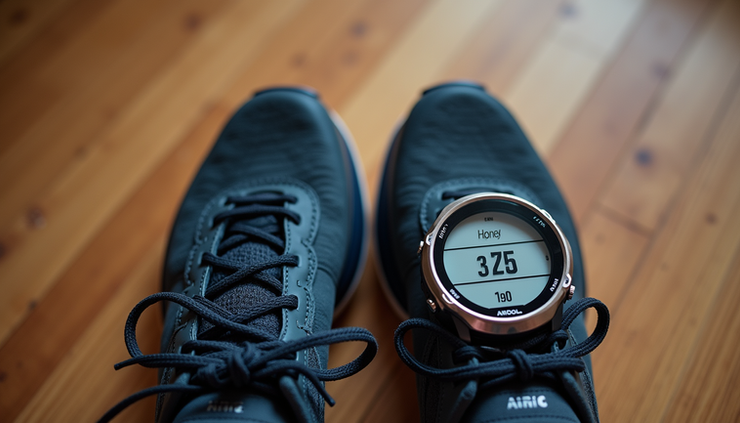
A reliable GPS watch helps track pace, distance, and heart rate, essential for training and race day.
Recommended Models
Garmin Forerunner 255: Lightweight, accurate GPS, advanced training metrics, and good battery life.
Coros Pace 2: Affordable, precise GPS, excellent battery, and simple interface.
Polar Vantage M2: Great heart rate monitoring and recovery tracking.
Choose a watch that fits your budget and comfort preferences. Use it to monitor your intervals, tempo runs, and long runs to stay on track.
Best Shoes for Marathon Training
The right shoes protect your feet and improve running efficiency. For breaking 3:30, look for lightweight, responsive shoes with good cushioning.
Top Picks
Nike ZoomX Vaporfly Next% 2: Known for energy return and lightweight design.
Adidas Adizero Adios Pro 3: Responsive cushioning and durable for high mileage.
Saucony Endorphin Speed 3: Versatile for speed work and long runs.
Rotate between a pair for speed workouts and a more cushioned pair for easy and long runs to reduce injury risk.
Ready to level up your training gear? Compare the Garmin Forerunner 265 vs 965 to find the right GPS watch for your marathon goals, or check out our Best Hyrox Training Shoes 2026 guide if you're adding cross-training to your program. You can also build strength at home with our top home gym equipment picks for endurance athletes.
Related Posts You'll Find Useful
More training and gear guides from Grit & Mileage:
Best Running Shoes for Marathon Training 2026 — The shoes to pair with your sub-3:30 training plan.
Best Recovery Tools for Runners and Triathletes 2026 — Recovery gear for high-volume marathon blocks.
Garmin Forerunner 265 Best Settings for Triathlon & Marathon — Optimize your watch for marathon training.
Best Triathlon Watch 2026: GPS Multisport Tested — Track your marathon training with precision.

Comments